The Complete Guide to MDF, IDF, and EDF: Modernizing Network Distribution for 5G and Beyond

March 18, 2026
Introduction: The Evolution of Network Distribution Architecture

In the rapidly evolving landscape of telecommunications and data networking, the fundamental building blocks of network infrastructure have undergone a remarkable transformation. What began as simple telephone distribution systems has evolved into sophisticated, multi-layered architectures that support everything from high-speed internet to 5G mobile networks and cloud computing. At the heart of this evolution lie three critical components: Main Distribution Frames (MDFs), Intermediate Distribution Frames (IDFs), and Equipment Distribution Frames (EDFs).

These distribution systems form the backbone of modern network connectivity, serving as the organized points where cables converge, connections are managed, and signals are distributed throughout facilities. As networks become more complex with the advent of IoT devices, edge computing, and high-density data centers, understanding the role and optimization of MDF, IDF, and EDF systems has never been more crucial for network architects, IT managers, and telecommunications professionals.

Deep Dive: Main Distribution Frame (MDF) Systems
Technical Definition and Core Functions

The Main Distribution Frame (MDF) serves as the primary interface between external telecommunications services and internal building wiring. Historically rooted in telephone exchange systems, today's MDFs have evolved to handle a diverse range of services including fiber optic connections, Ethernet data, and specialized communication protocols. The modern MDF acts as the central nervous system of a facility's network, providing:

  • Centralized Connection Management: All external service providers connect to the building through the MDF, which then distributes these services throughout the facility
  • Cross-Connect Capabilities: Enables flexible routing between service provider lines and internal distribution systems
  • Protection and Isolation: Provides electrical protection and isolation between external and internal networks
  • Documentation Hub: Serves as the primary location for labeling, documentation, and testing of all incoming services
Product Types and Application Scenarios

Modern MDF solutions come in several configurations to meet diverse application requirements:

  • Wall-Mount MDF Boxes: Compact solutions ideal for small to medium installations where space is limited. These units typically support 50-300 connections and are perfect for retail locations, small offices, and remote facilities. Their space-efficient design makes them particularly valuable in environments where every square foot counts.
  • Floor Standing MDF Frames: Designed for larger installations requiring higher connection densities. These freestanding units can support thousands of connections and are commonly found in office buildings, educational institutions, and healthcare facilities. Their modular design allows for gradual expansion as network requirements grow.
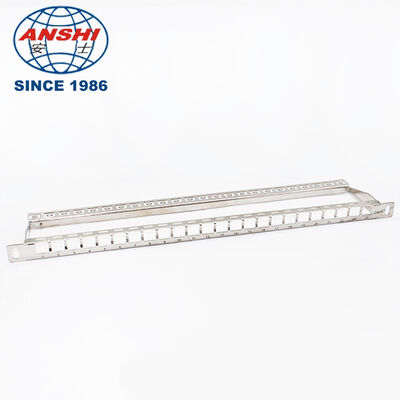
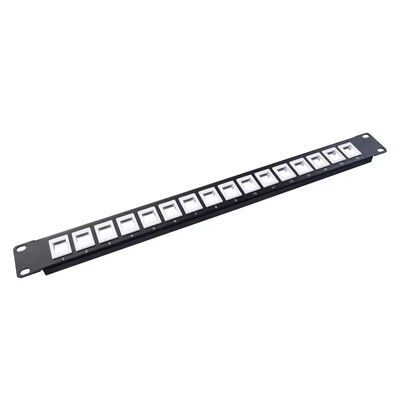
  • 19-Inch Rack MDF Systems: The standard for data centers and telecommunications rooms, these rack-mounted systems integrate seamlessly with other network equipment. They offer the highest density and flexibility, with some models supporting over 1,000 connections in a single rack unit. For data center managers seeking organized connectivity solutions, our 19-inch Network Racks provide the perfect foundation for these high-density MDF installations.
Technical Specifications and Selection Criteria

When selecting an MDF solution, several key factors must be considered:

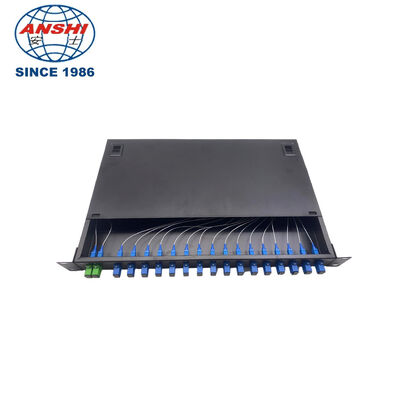
  • Port Capacity and Density Requirements: Modern networks demand increasingly higher connection densities. A typical enterprise MDF might need to support hundreds of fiber optic and copper connections simultaneously. High-density solutions, such as our Fiber Optic Patch Panels, can accommodate these demands while maintaining proper cable management and bend radius compliance.
  • Material Durability and Environmental Adaptability: MDFs must withstand varying environmental conditions while providing decades of reliable service. Industrial-grade materials, corrosion-resistant coatings, and proper ventilation are essential considerations, especially for installations in challenging environments.
  • Labeling Systems and Documentation Management: Effective labeling is critical for efficient troubleshooting and maintenance. Modern MDFs incorporate sophisticated labeling systems that support both human-readable and machine-scannable identifiers, ensuring accurate documentation throughout the equipment lifecycle.
Strategic Design: Intermediate Distribution Frame (IDF) Systems
The Strategic Position of IDFs in Network Hierarchy

Intermediate Distribution Frames (IDFs) serve as the critical intermediary between the central MDF and end-user equipment. Positioned strategically throughout a facility—typically on each floor or in each building wing—IDFs bring network connectivity closer to the point of use while maintaining centralized management capabilities. This hierarchical approach offers several advantages:

  • Reduced Cable Lengths: By locating IDFs closer to end devices, cable runs are shorter, reducing signal degradation and installation costs
  • Improved Fault Isolation: Problems can be isolated to specific areas without affecting the entire network
  • Enhanced Scalability: New areas can be added to the network by installing additional IDFs rather than extending cables from the central MDF
Characteristics of Modern IDF Solutions

Today's IDF systems have evolved far beyond simple connection points. Modern solutions incorporate:

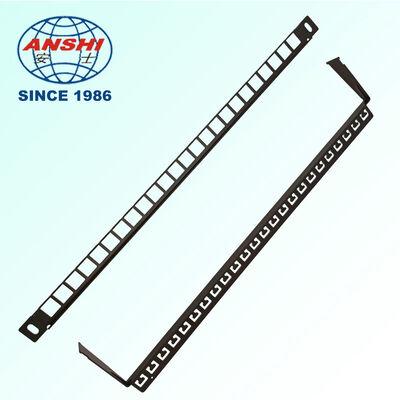
  • Modular Design for Flexible Expansion: Modular IDF cabinets allow network administrators to add capacity incrementally as needs evolve. This approach minimizes upfront investment while providing a clear growth path. The modular nature of our Patch Panels & Cable Management systems makes them ideal for these evolving IDF installations.
  • High-Density Connection Management: As workplace densities increase and IoT devices proliferate, IDFs must support more connections than ever before. Advanced cable management features, including vertical and horizontal managers, ensure that high-density installations remain organized and maintainable.
  • Intelligent Monitoring and Maintenance Features: Modern IDFs increasingly incorporate monitoring capabilities, including temperature sensors, door status indicators, and even port-level activity monitoring. These features enable proactive maintenance and rapid troubleshooting.
Deployment Best Practices

Successful IDF deployment requires careful planning across several dimensions:

  • Location Selection and Space Planning: IDF locations should be centrally positioned within their service areas while considering factors like accessibility, security, and environmental conditions. Adequate space must be allocated not just for current equipment but for future expansion.
  • Power and Cooling Considerations: IDFs require reliable power sources and proper cooling to ensure equipment longevity. Uninterruptible power supplies (UPS) and adequate ventilation are essential components of any IDF installation.
  • Security and Access Control: Given their critical role in network connectivity, IDFs must be secured against unauthorized access while remaining accessible to authorized personnel. Locking cabinets, access logging, and proper labeling all contribute to effective security management.
Technology Frontier: Equipment Distribution Frame (EDF) Systems
The Role of EDFs in Device-Level Connectivity

Equipment Distribution Frames (EDFs) represent the final distribution point in the network hierarchy, providing direct connectivity to servers, switches, and other network equipment. In high-density environments like data centers, EDFs play a crucial role in:

  • Server Rack Internal Connection Management: Within server racks, EDFs organize and manage the complex web of connections between servers, storage devices, and network switches. Proper EDF implementation can significantly reduce cable clutter and improve airflow.
  • High-Density Data Center Applications: Modern data centers demand unprecedented connection densities. EDF solutions must accommodate hundreds of connections in limited space while maintaining accessibility for maintenance and reconfiguration.
Advanced Functional Features

Contemporary EDF systems incorporate several innovations developed through years of field experience. Key features include:

  • Modular Design: Components can be reconfigured to match specific application requirements
  • Enhanced Cable Management: Integrated routing channels and strain relief ensure long-term reliability
  • Environmental Protection: IP-rated enclosures available for challenging installation environments
  • Documentation Systems: Comprehensive labeling solutions that support both immediate needs and future modifications
Case Study 1: University Campus Network Upgrade

The existing ad-hoc distribution system resulted in frequent connectivity issues and excessive maintenance costs.

Challenge: An existing ad-hoc distribution system resulted in frequent connectivity issues and excessive maintenance costs.

Solution: We implemented a structured MDF-IDF hierarchy with a central MDF serving as the primary entry point for all external services. Strategically placed IDFs on each floor provided localized distribution, while standardized EDFs in equipment rooms ensured consistent server connectivity. Our comprehensive Cable Management solutions played a crucial role in organizing the thousands of connections throughout the campus.

Results: The new distribution architecture reduced network-related downtime by 73% and decreased maintenance costs by 40%. The standardized approach also accelerated new employee onboarding by 60%, as IT staff could quickly locate and troubleshoot any connection issue.

Case Study 2: Data Center High-Density Deployment

Challenge: A cloud service provider needed to increase server density in their existing data center by 300% without expanding their physical footprint. Their legacy distribution system couldn't support the required connection density while maintaining proper cable management and airflow.

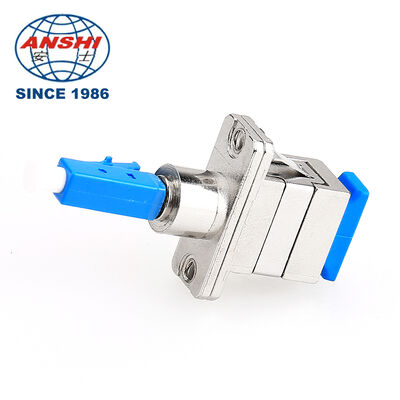
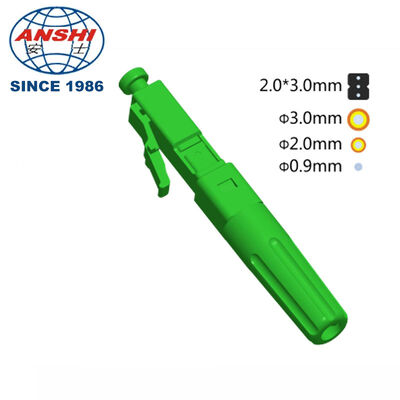
Solution: We deployed high-density EDF solutions within each server rack, combined with optimized IDF configurations on each data hall aisle. The solution incorporated specialized Fiber Optic Adapters & Couplers to maximize connection density while maintaining signal integrity. Advanced cable routing ensured proper bend radius compliance throughout the installation.

Results: The new distribution architecture reduced network-related downtime by 73% and decreased maintenance costs by 40%. The standardized approach also accelerated new employee onboarding by 60%, as IT staff could quickly locate and troubleshoot any connection issue.

Cixi Anshi Solution Advantages
40 Years of Manufacturing Heritage

Since our founding in 1986, Cixi Anshi has been at the forefront of telecommunications equipment manufacturing. Our four decades of experience provide unique insights into both traditional network requirements and emerging technologies. This historical perspective informs our product designs, ensuring they address real-world challenges rather than theoretical specifications.

Unlike companies that have entered the market recently, we've witnessed—and often pioneered—multiple technology transitions. From analog telephone systems to digital networks, from copper dominance to fiber optic proliferation, and now to 5G and edge computing, our experience spans the complete evolution of modern telecommunications.

Factory-Direct Customization Capability

As a factory-direct manufacturer rather than a distributor, we offer customization capabilities that are simply unavailable through standard supply channels. Our Custom Solutions approach means we can:

  • Modify Standard Designs: Adjust dimensions, materials, or features to precisely match client specifications.
  • Develop Bespoke Solutions: Create entirely new products for unique challenges.
  • Rapid Prototyping: Accelerate product development cycles.
  • Volume Production: Scale from small batches to large-scale manufacturing.
Integrated Quality Control

Our commitment to quality is embedded throughout the entire manufacturing process, from raw material sourcing to final product testing. This includes:

  • Material Sourcing: Rigorous selection of suppliers and verification of raw material quality
  • In-Process Inspections: Quality checkpoints throughout manufacturing ensure consistency
  • Final Testing: Every product undergoes comprehensive testing before shipment
  • Traceability: Complete documentation trail for every product we manufacture

This vertical integration from raw materials to final testing ensures quality levels that distributors simply cannot match. When you purchase from Cixi Anshi, you're buying directly from the manufacturer responsible for the entire production process.

Technical Consultation and Support Services

Beyond product supply, we provide comprehensive support services:

  • Pre-Sales Consultation: Technical experts help select the optimal products for specific applications
  • Installation Guidance: Detailed instructions and best practice recommendations for successful deployment
  • Ongoing Support: Technical assistance throughout the product lifecycle
  • Training Resources: Materials to help client teams maximize the value of our solutions

Our commitment to client success extends far beyond the point of sale. We view each customer relationship as a long-term partnership focused on achieving mutual success.

Why Industry Leaders Choose Cixi Anshi

Telecommunications operators, system integrators, and data center providers consistently choose Cixi Anshi for their distribution frame requirements because we offer:

  • Proven Reliability: Products that perform consistently in demanding environments
  • Technical Expertise: Deep understanding of both current requirements and future trends
  • Flexible Solutions: Ability to adapt to unique requirements through our factory-direct customization capabilities, unlike distributors limited to standard product offerings.
  • Value Beyond Price: While competitive pricing is important, our clients recognize that true value comes from solutions that reduce total cost of ownership through reliability, ease of maintenance, and long service life.
  • Partnership Approach: We view each client relationship as a long-term partnership, providing ongoing support and adapting our offerings as their needs evolve.
Conclusion: Building Future-Ready Distribution Networks

The evolution from simple telephone distribution to sophisticated MDF-IDF-EDF hierarchies reflects the increasing complexity and criticality of modern network infrastructure. As 5G, edge computing, and IoT continue to transform connectivity requirements, the distribution systems that organize and manage these connections become increasingly strategic assets.

Successful network architects recognize that distribution frames are not merely passive connection points but active components in network performance, reliability, and scalability. By implementing well-designed MDF, IDF, and EDF systems, organizations can:

  1. Simplify Network Management: Hierarchical organization reduces complexity and accelerates troubleshooting
  2. Support Rapid Growth: Modular designs accommodate expansion without requiring complete system replacements
  3. Enhance Reliability: Proper distribution reduces single points of failure and supports rapid recovery
  4. Optimize Total Cost: Well-designed distribution systems reduce both initial installation costs and long-term maintenance expenses

At Cixi Anshi, our four decades of experience have taught us that the most successful network deployments balance technical requirements with practical considerations. Our solutions reflect this balanced approach, combining advanced technical capabilities with the practical features that ensure successful long-term operation.

As you plan your next network deployment or upgrade, consider not just the immediate connection requirements but the distribution architecture that will support your organization's growth for years to come. The right MDF, IDF, and EDF solutions provide the foundation upon which reliable, scalable networks are built.

Company Tagline: "Four decades of precision in every connection—where traditional reliability meets modern innovation in network distribution solutions from Cixi Anshi, your trusted partner in telecommunications infrastructure since 1986."